
Protect Your Property From Wildlife — Red Squirrel Removal
Red squirrels can enter attics, walls, and roof spaces through small openings, causing damage, unwanted noise, and potential safety concerns. Our squirrel removal and exclusion solutions help address the problem and reduce the risk of future entry.
Red squirrels are active, agile rodents that can squeeze through small openings to reach sheltered spaces inside buildings. When they settle in an attic or wall cavity, their chewing and nesting habits can damage insulation, wood, and wiring.
Master Wildlife Control provides squirrel removal and exclusion solutions designed to address existing activity, identify entry points, and help protect your property against recurring wildlife problems.
Red squirrels inside your property can cause damage and disruption. Identifying the warning signs early can help prevent a small problem from becoming more extensive.
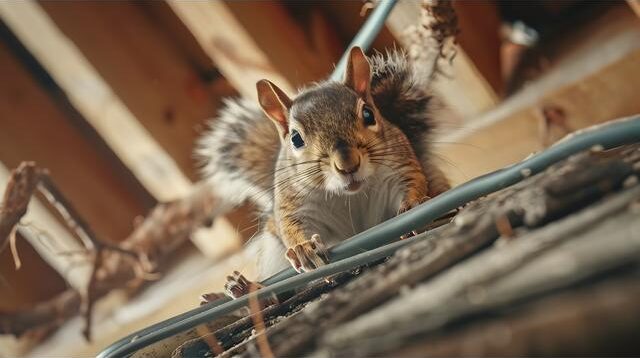
Red squirrels gnaw on wood and other materials as they maintain their teeth and explore their surroundings. Their activity can damage building materials and insulation.
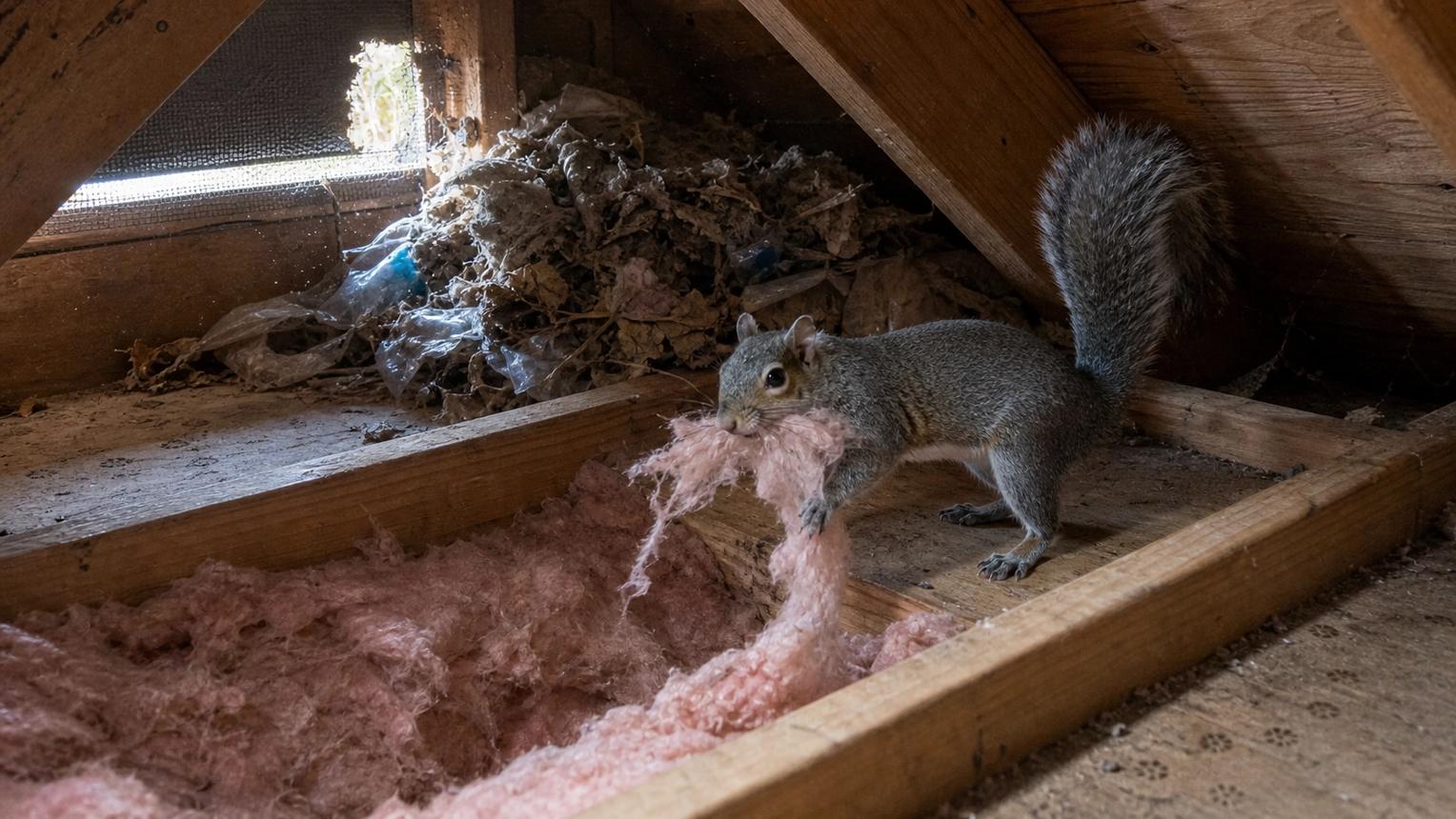
Droppings, nesting materials, and parasites associated with wildlife can create sanitation concerns when squirrels occupy enclosed spaces.
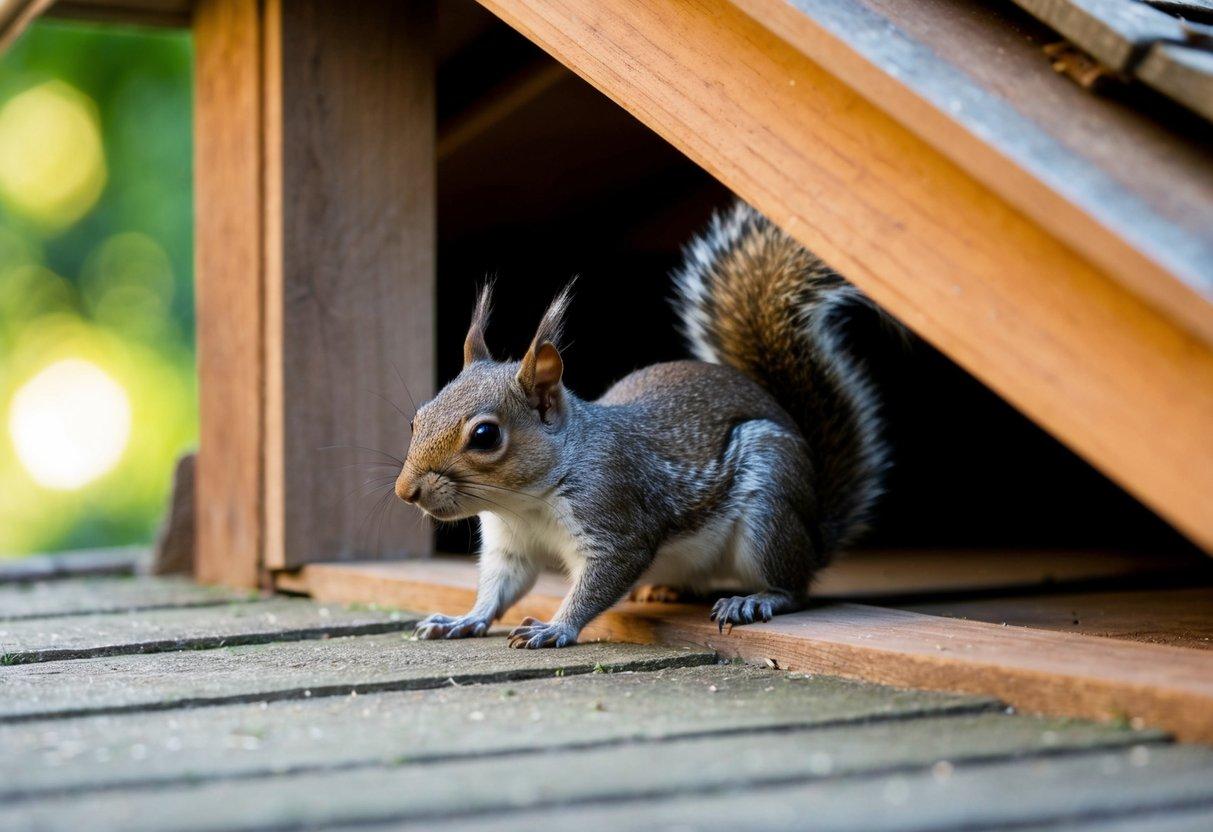
Red squirrels are active during the day. Scratching, running, and chattering sounds from an attic or wall can indicate that squirrels are nesting inside.

Small gaps around roof edges, vents, and exterior materials can provide squirrels with access to sheltered spaces inside your home.
Removing squirrels is only part of the solution. If openings around your property remain accessible, squirrels may return or other wildlife may enter.
Master Wildlife Control focuses on identifying the source of the problem and addressing the areas that allow squirrels inside.
Our approach may include:
Inspecting attics, rooflines, vents, and other potential access points.
Assessing squirrel activity and identifying nesting areas.
Using appropriate removal or exclusion methods.
Securing entry points once animals have safely exited.
Identifying damaged materials and potential cleanup needs.
Proper timing and removal methods help prevent animals from becoming trapped inside and reduce the risk of recurring problems.
Red squirrels are often active during daylight hours, making their movements easier to notice. Check for these common signs around your property.
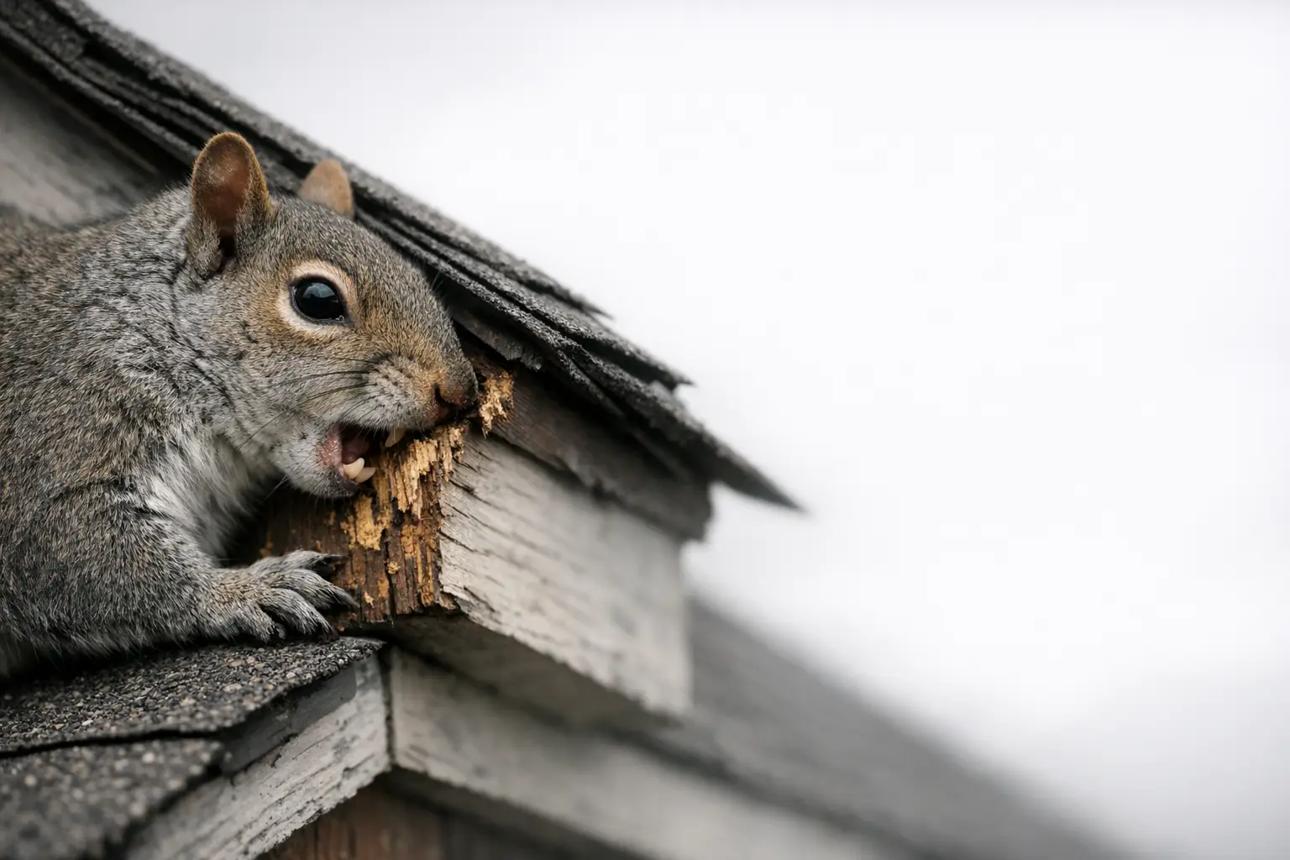
Look for teeth marks on wood, damaged vents, chewed materials, or other signs of repeated squirrel activity.

Gaps, loose fascia, and damaged vents can provide entry points into attics and other enclosed spaces.

Frequently seeing squirrels around the same roofline or watching them disappear into an opening may indicate an entry point nearby.

Shredded insulation, leaves, and other collected materials in an attic may indicate that squirrels are using the space for shelter.


 Trustindex verifies that the original source of the review is Google.
 Trustindex verifies that the original source of the review is Google.
 Trustindex verifies that the original source of the review is Google.

 Trustindex verifies that the original source of the review is Google.
 Trustindex verifies that the original source of the review is Google.
 Trustindex verifies that the original source of the review is Google.
 Trustindex verifies that the original source of the review is Google.
 Trustindex verifies that the original source of the review is Google.
 Trustindex verifies that the original source of the review is Google.
 Trustindex verifies that the original source of the review is Google.
Common signs include scratching and scurrying sounds during the day, gnaw marks, droppings, disturbed insulation, nesting materials, and squirrels repeatedly entering the roofline.
Yes. Red squirrels can chew wood, insulation, and electrical wiring, potentially leading to costly repairs and electrical safety concerns.
Exclusion involves identifying the openings squirrels use to enter a building and using suitable methods to allow them to leave while preventing re-entry.
Professional assessment helps identify hidden entry points, reduce the risk of injury, and address the cause of the infestation rather than only its visible signs.
Depending on the situation and applicable regulations, suitable methods may include one-way exclusion devices and securing access points after the animals have exited.
Squirrels may carry parasites, and their droppings or nesting materials can create sanitation concerns. Avoid direct contact and seek professional assistance when contamination is present.
The timeline depends on squirrel activity, the number of access points, the building's condition, and whether additional repairs or cleanup are required.
They may return if accessible openings remain. Thorough inspection and appropriate exclusion work can help reduce the risk of re-entry.
Inspect rooflines and vents, repair openings, secure vulnerable areas, and avoid leaving easily accessible food sources around your property.
Depending on the service provided, cleanup may involve removing nesting materials and waste from affected areas. Confirm the available cleanup services with Master Wildlife Control.