
Keep Your Property Protected From Wildlife — Bat Removal & Exclusion
Bats inside your attic, roof, or walls can create unwanted noise, sanitation concerns, and property damage. Our professional bat exclusion services help address existing bat activity and prevent future entry with responsible wildlife control solutions.
Bats can enter buildings through small gaps around roofs, vents, eaves, and other exterior openings. Once inside, they may roost in attics or wall cavities, creating noise and leaving behind droppings.
Our bat removal and exclusion services focus on identifying entry points, addressing bat activity, and helping protect your property against future infestations. We use appropriate exclusion methods that consider bat behavior and applicable wildlife regulations.
Bats inside a building can create several concerns. Identifying the problem early helps you take the right steps to protect your home or business.
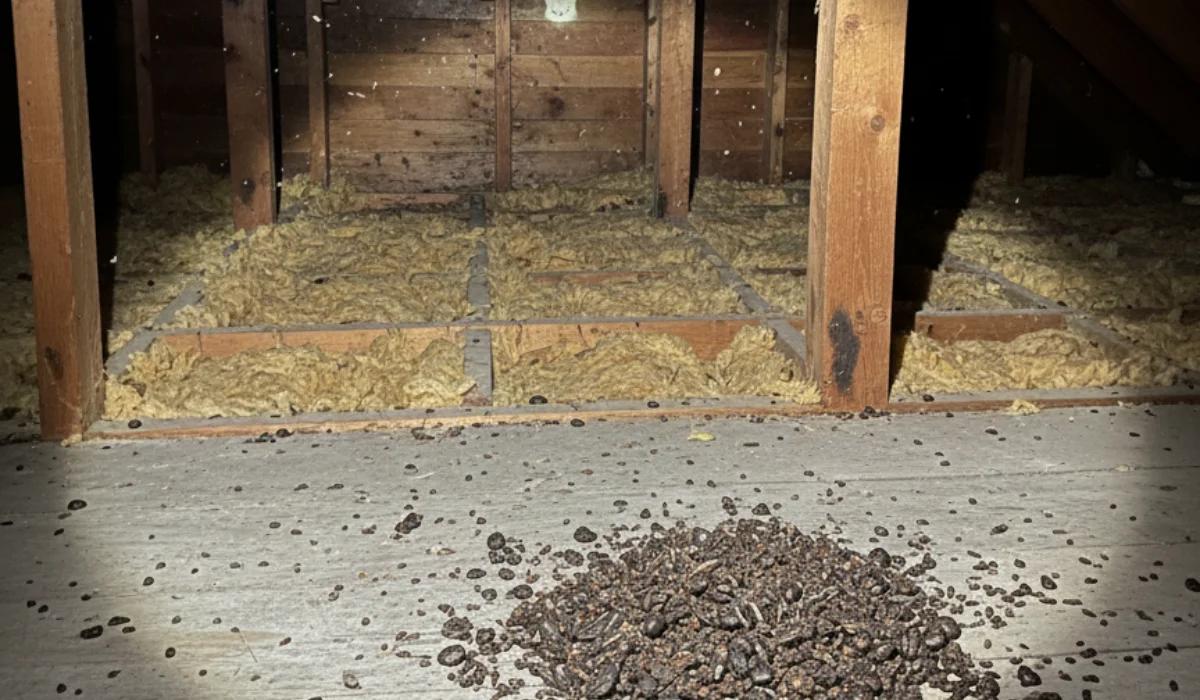
Bat droppings can accumulate around roosting areas, creating cleanup needs and potentially affecting insulation and nearby building materials.

Bat waste can create sanitation concerns, while direct contact with bats can pose health risks. Avoid handling bats or disturbing contaminated materials.
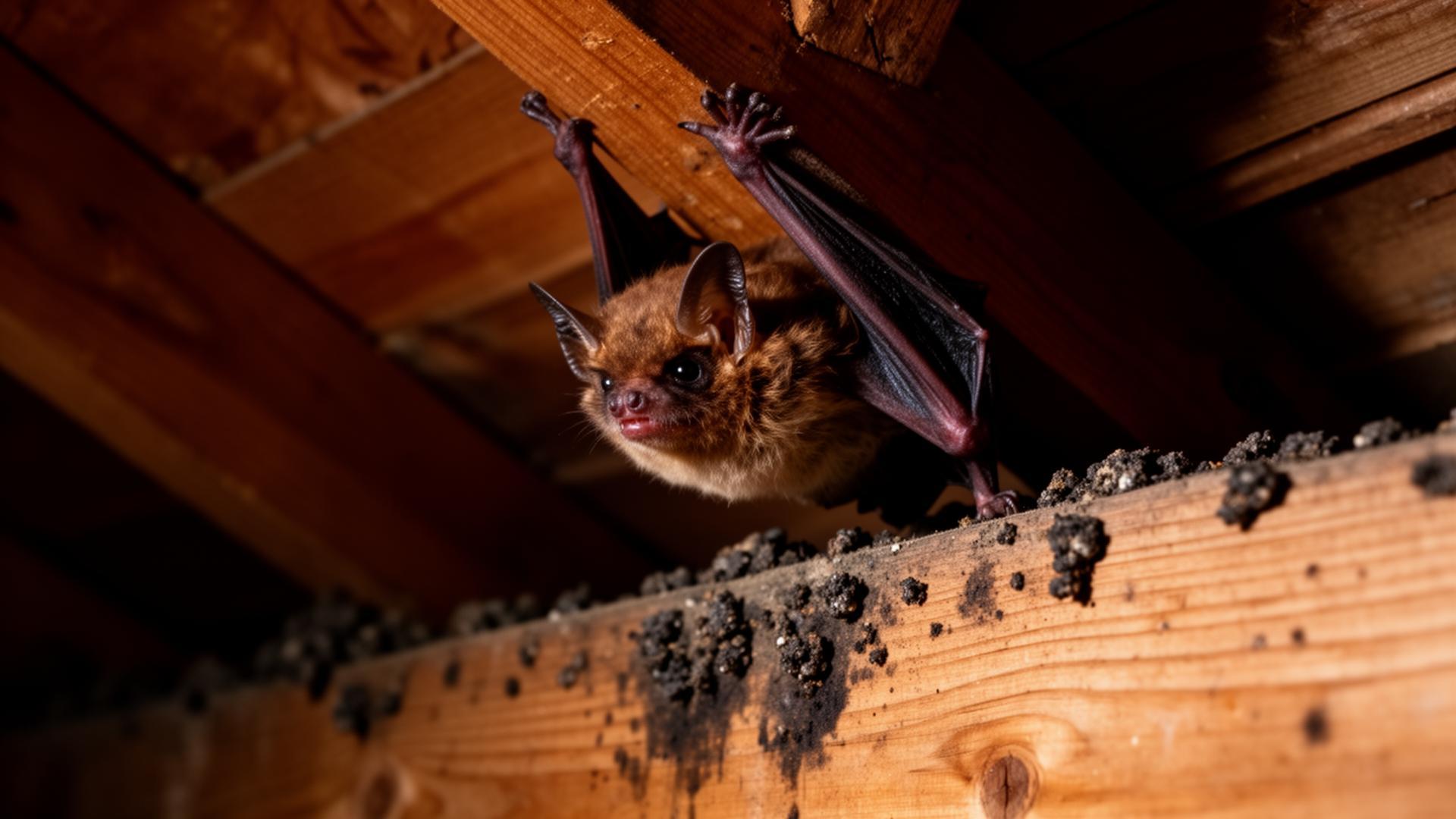
Scratching, squeaking, and fluttering sounds around dusk or during the night may indicate that bats are roosting inside your home.

Small openings around rooflines, vents, and eaves can allow bats to enter unnoticed and establish roosting areas inside a structure.
Bats can return to a building if their entry points remain open. Effective exclusion addresses both the bats currently inside and the openings they use to access the structure.
Our process may include:
Inspecting rooflines, attic spaces, vents, and other potential entry points.
Assessing bat activity and identifying suitable exclusion methods.
Allowing bats to exit safely when conditions and regulations permit.
Sealing access points after exclusion is complete.
Identifying cleanup or repair needs in affected areas.
Proper timing is important, particularly when young bats may be present. Our goal is to address the infestation responsibly and reduce the risk of recurring activity.
Look for changes around your attic, roofline, and exterior walls. Recognizing common signs of bat activity can help you determine when a professional inspection is needed.
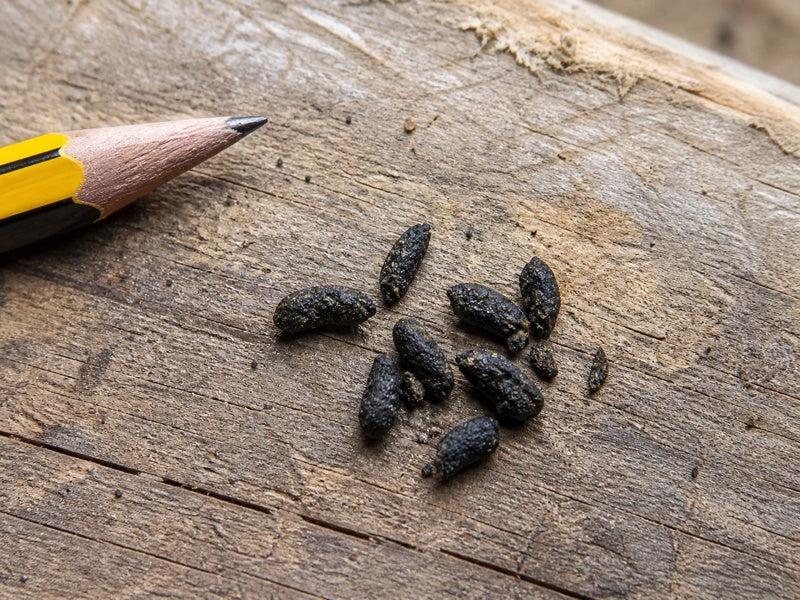
Small, dark droppings or staining near openings and roosting areas may indicate that bats have been using the space.
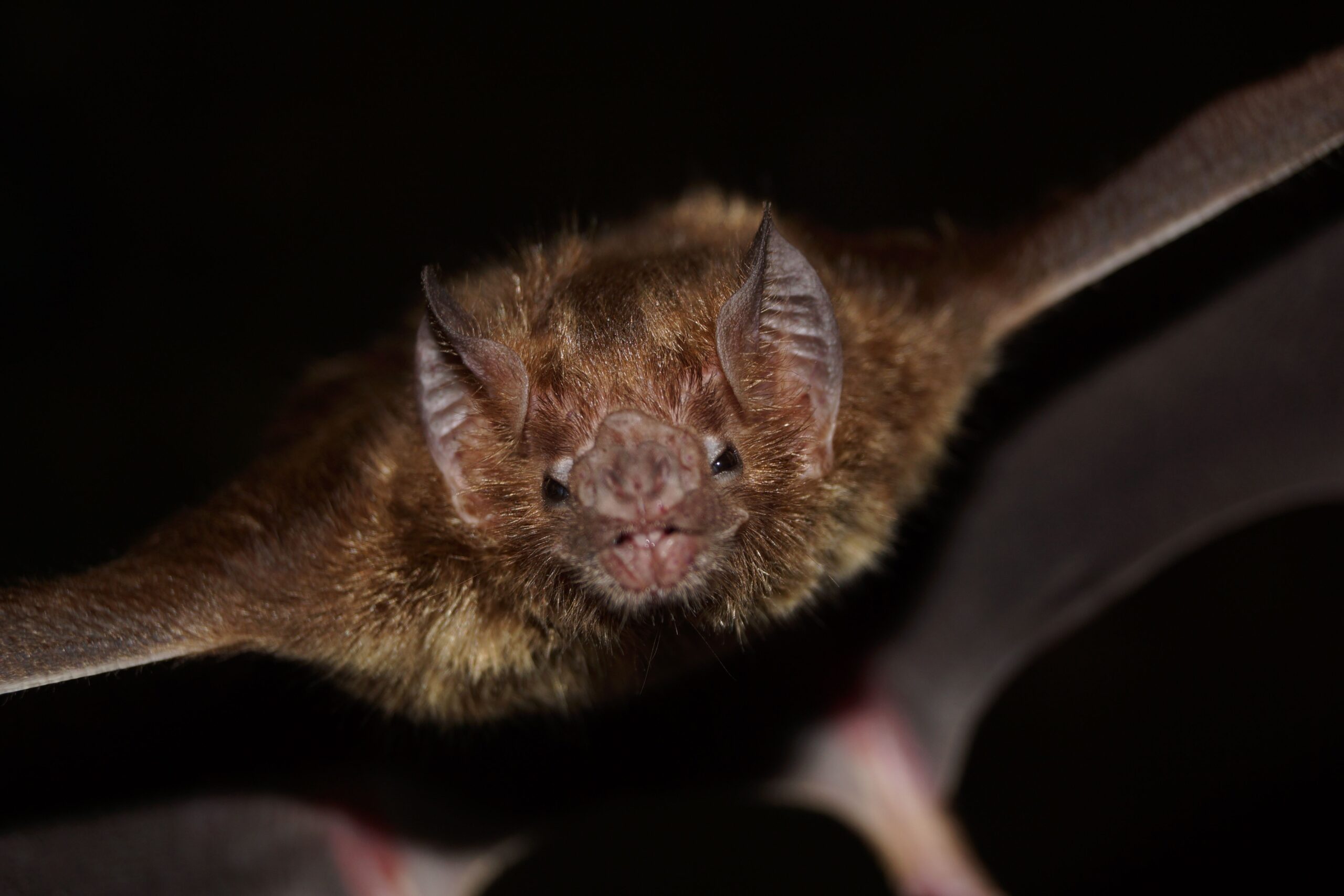
Gaps around fascia boards, roof edges, and vents can provide bats with access to attic spaces.
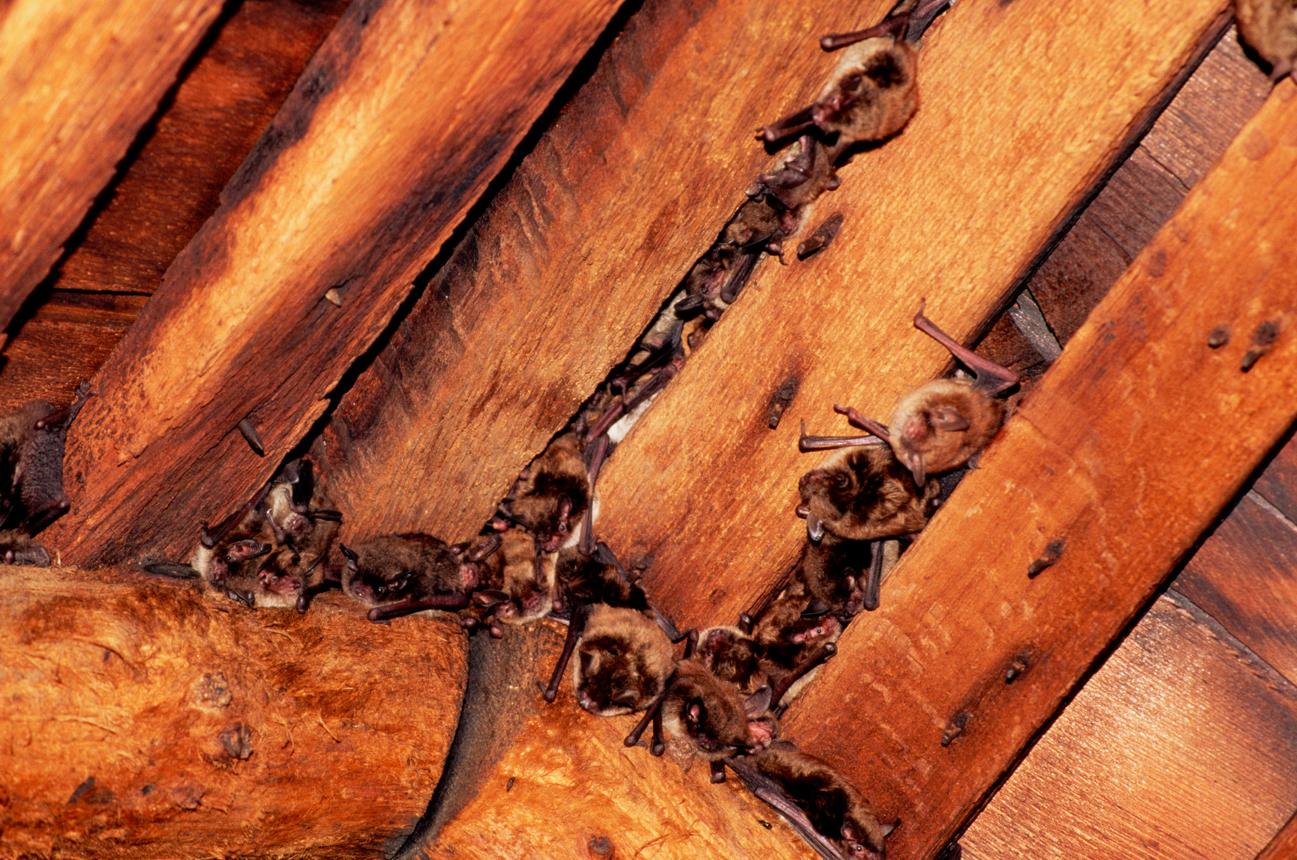
Frequently seeing bats emerge from the same roof opening around sunset may indicate a nearby roost.

Droppings, staining, unusual odors, or localized debris around attic spaces may indicate ongoing bat activity.


 Trustindex verifies that the original source of the review is Google.
 Trustindex verifies that the original source of the review is Google.
 Trustindex verifies that the original source of the review is Google.

 Trustindex verifies that the original source of the review is Google.
 Trustindex verifies that the original source of the review is Google.
 Trustindex verifies that the original source of the review is Google.
 Trustindex verifies that the original source of the review is Google.
 Trustindex verifies that the original source of the review is Google.
 Trustindex verifies that the original source of the review is Google.
 Trustindex verifies that the original source of the review is Google.
Common signs include droppings, squeaking or fluttering sounds, unusual odors, and bats repeatedly emerging from roof openings around sunset. A professional inspection can help confirm the source.
Bat colonies can leave droppings and urine around roosting areas, potentially affecting insulation and nearby materials. Addressing the problem early can help limit the extent of cleanup required.
Bat exclusion allows bats to leave a building while preventing them from re-entering. The process involves identifying entry points, using suitable exclusion devices, and securing openings at the appropriate time.
Removing bats alone may not prevent them from returning. Identifying and securing accessible entry points is an important part of reducing the risk of another infestation.
Bats should not be handled because they can carry rabies. Avoid direct contact with bats and their droppings, and seek professional guidance if a person or pet may have been exposed.
DIY removal can be ineffective and may expose you to health risks. Sealing openings while bats remain inside can trap them, so professional assessment is recommended.
The cost depends on the size of the colony, the number of entry points, the building's condition, and any required exclusion or cleanup work. An inspection can help establish the scope.
The timeline varies based on the property, bat activity, seasonal restrictions, and whether young bats may be present. The appropriate process can be determined after an inspection.
Bats may return if other access points remain open. Thorough inspection and appropriate exclusion work can help reduce the likelihood of re-entry.
Contact Master Wildlife Control to discuss the signs you have noticed and ask about arranging a property inspection and suitable bat exclusion services.