
Protect Your Property From Wildlife — Professional Rodent Exclusion
Rats and mice can enter your home through surprisingly small openings, damaging insulation, chewing wiring, and contaminating areas with droppings. Our rodent exclusion solutions focus on identifying entry points, securing vulnerable areas, and helping prevent rodents from returning.
Rodents can squeeze through small gaps around foundations, doors, utility lines, vents, and roof openings. Once inside, they may nest in attics, basements, crawl spaces, and wall cavities.
Master Wildlife Control helps property owners address rodent entry points with exclusion-focused solutions. By identifying vulnerable areas and securing access points, we help reduce opportunities for rats and mice to enter your property.
Rodents can cause problems beyond what you see on the surface. Recognizing the risks can help you understand why securing entry points is an important part of protecting your property.

Rats and mice gnaw on building materials, insulation, stored belongings, and other accessible items. Their activity can lead to expensive repairs.

Rodent droppings, urine, and nesting materials can contaminate surfaces and stored items, creating sanitation concerns in homes and businesses.

Scratching, squeaking, and movement inside walls, ceilings, or under floors may indicate rodent activity within your property.

Small gaps around pipes, foundation cracks, vents, and doors can provide rodents with access to indoor spaces, often without being noticed.
Removing visible rodents may not solve the problem if other entry points remain open. Effective exclusion focuses on how rodents enter and which areas need attention.
Our rodent exclusion approach may include:
Inspecting foundations, rooflines, vents, and utility openings.
Identifying gaps around doors, pipes, and exterior walls.
Securing suitable entry points with rodent-resistant materials.
Identifying areas where rodents may be nesting or traveling.
Recommending additional treatment or cleanup when needed.
Addressing access points can help reduce the likelihood of rodents entering again. The appropriate solution depends on the property’s condition and the extent of rodent activity.
Rodents often remain hidden in enclosed areas, but their activity can leave behind recognizable signs. Look for these indicators around your home or business.

Chewed wood, damaged packaging, and marks around openings can indicate that rodents are active inside or around your property.
Openings beneath doors, cracks in foundations, and gaps around pipes can provide rodents with easy access to indoor spaces.
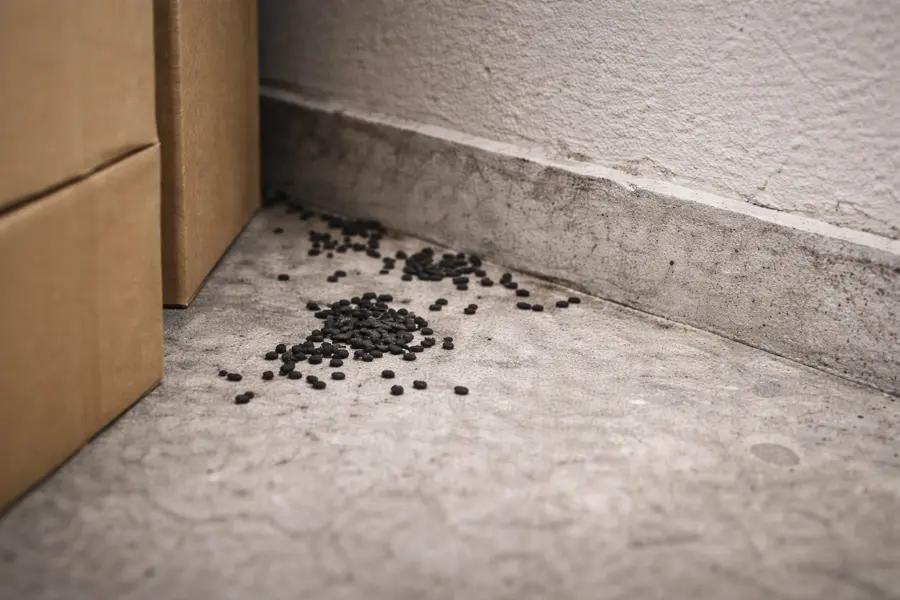
Rodent droppings and persistent odors in cabinets, basements, attics, or storage areas may indicate ongoing activity.
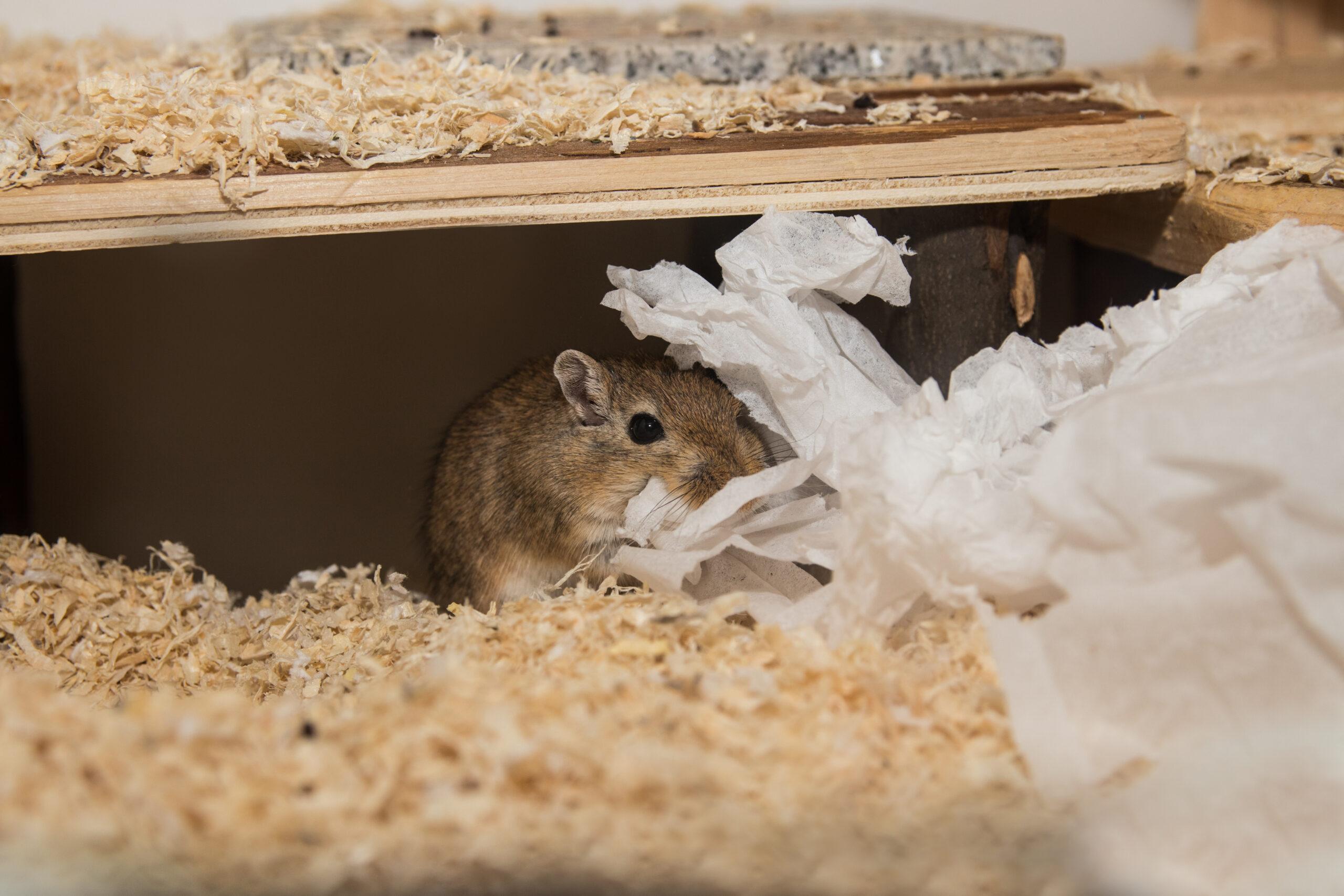
Shredded paper, fabric, insulation, and other collected materials may indicate that rodents are nesting in a concealed area.


 Trustindex verifies that the original source of the review is Google.
 Trustindex verifies that the original source of the review is Google.
 Trustindex verifies that the original source of the review is Google.

 Trustindex verifies that the original source of the review is Google.
 Trustindex verifies that the original source of the review is Google.
 Trustindex verifies that the original source of the review is Google.
 Trustindex verifies that the original source of the review is Google.
 Trustindex verifies that the original source of the review is Google.
 Trustindex verifies that the original source of the review is Google.
 Trustindex verifies that the original source of the review is Google.
Rodent exclusion is the process of identifying and securing openings that rats and mice use to enter a building. It focuses on reducing access to indoor spaces and helping prevent future infestations.
Rodents may enter through gaps around doors, foundation cracks, utility lines, vents, roof openings, and damaged exterior materials. Some mice can squeeze through openings about a quarter-inch wide.
Removal addresses rodents already present, while exclusion focuses on preventing entry and re-entry. Depending on the infestation, both approaches may be necessary.
Properly securing entry points can reduce the risk of rodents returning. Results depend on the quality of the exclusion work, other accessible openings, and conditions around the property.
Yes. Rodents may chew electrical wiring and surrounding materials, creating potential fire and repair concerns. Damaged wiring should be assessed by a qualified electrician.
Common signs include droppings, gnaw marks, scratching sounds, nesting materials, unusual odors, and repeated sightings. An inspection can help identify the source.
Depending on the opening and its location, suitable materials may include metal mesh, hardware cloth, metal flashing, and rodent-resistant sealants. The materials must be appropriate for the specific gap and building surface.
The timeline depends on the number and location of entry points, the property's condition, and whether additional removal, repairs, or cleanup are required.
Exclusion primarily focuses on securing entry points. Removal and cleanup may be separate services, so confirm the specific scope with Master Wildlife Control.
Pricing depends on the size of the property, the number of openings, accessibility, materials, and any additional work required. Contact the company to discuss an inspection and estimate.