
Protect Your Property From Burrowing Groundhogs
Groundhogs can cause problems when they dig burrows beneath decks, sheds, patios, and building foundations. Their digging habits can damage landscaping, disturb the ground around structures, and create unwanted hazards on your property.
Groundhogs, also known as woodchucks, are burrowing animals that can turn a peaceful yard into a frustrating wildlife problem. They often dig underground tunnels near foundations, decks, sheds, gardens, and other areas that provide shelter.
Although groundhogs generally avoid people, their burrowing can disturb soil, damage plants, and weaken the ground around outdoor structures. Their presence may become particularly concerning when burrows develop close to buildings or walkways.
Master Wildlife Control helps property owners identify wildlife concerns and explore suitable control and prevention options. Our approach focuses on understanding the problem, assessing vulnerable areas, and recommending practical measures to reduce the risk of continued groundhog activity.
If you have noticed large holes in your yard, damaged garden plants, or groundhog activity around your foundation, professional guidance can help you determine the right solution.
Groundhogs can dig extensive burrow systems and repeatedly return to areas that offer food, shelter, and suitable soil. Addressing the issue early can help minimize property damage and reduce the likelihood of further burrowing.
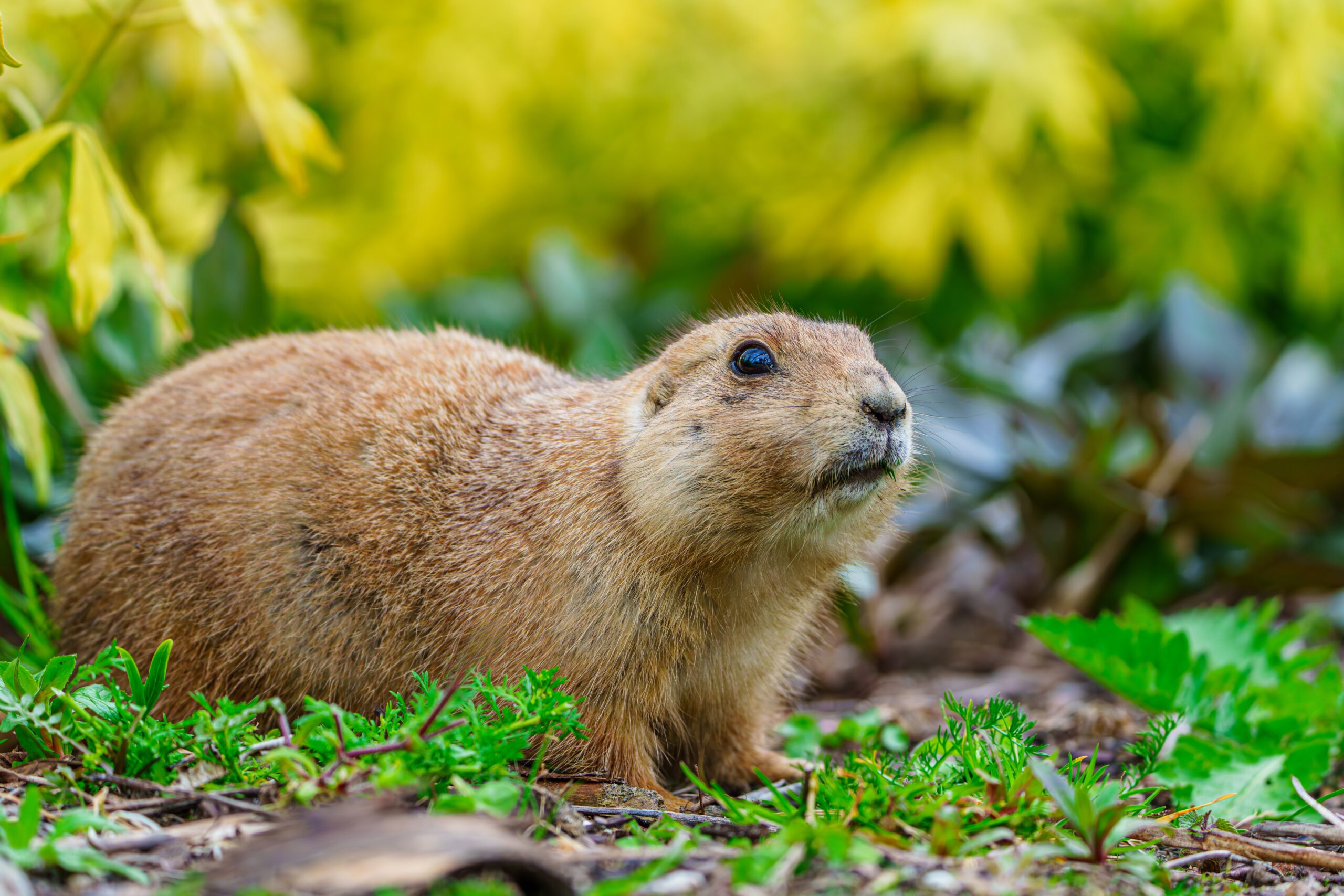
A suitable removal strategy starts with understanding the animal’s activity, burrow location, and surrounding conditions. Wildlife control should be carried out responsibly and in accordance with applicable regulations.

Identifying active burrows, digging patterns, and vulnerable areas helps determine where groundhogs may be causing problems around your home or business.
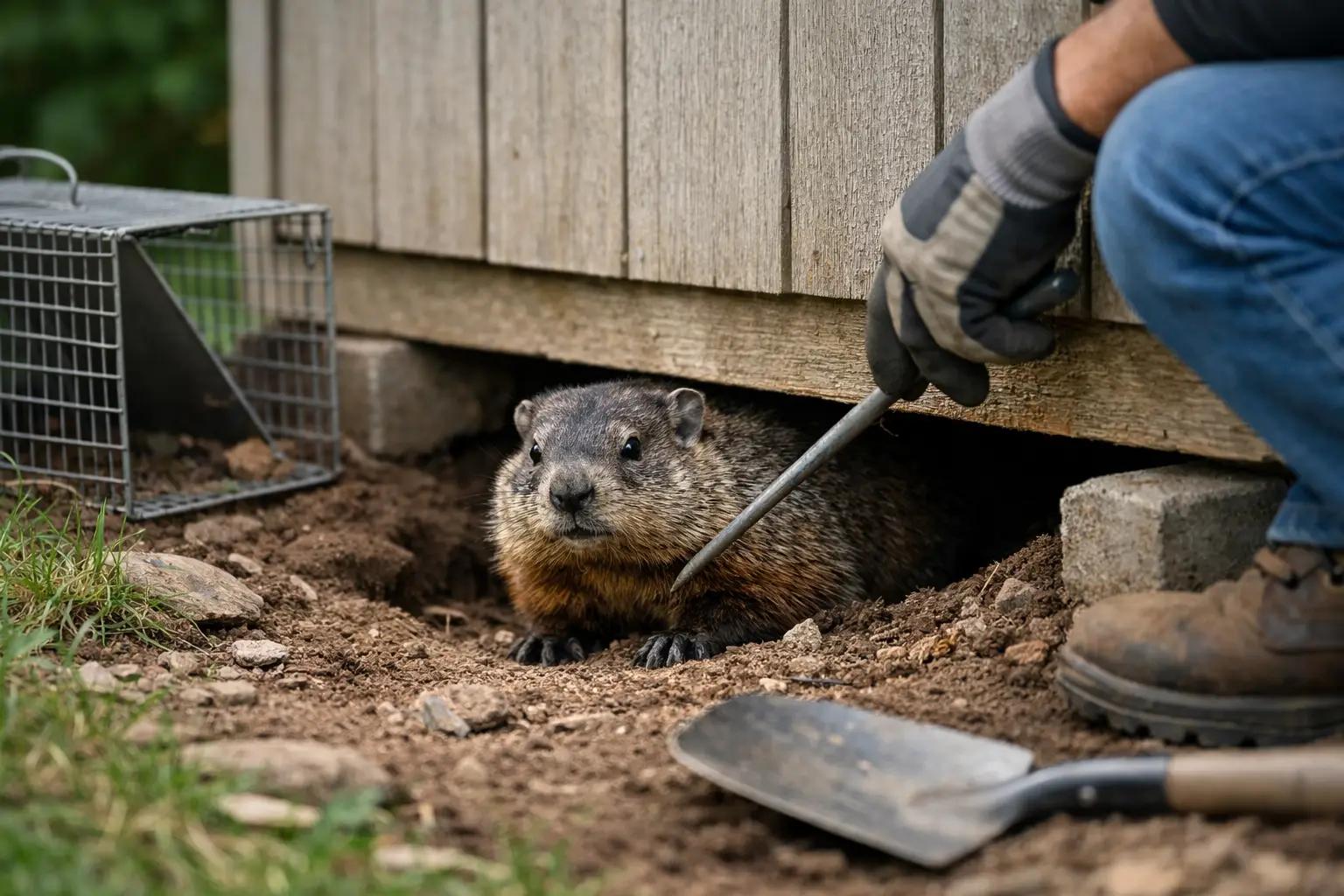
Groundhog tunnels can disturb soil beneath decks, patios, sheds, and foundations. Addressing burrowing activity can help reduce the risk of continued damage.
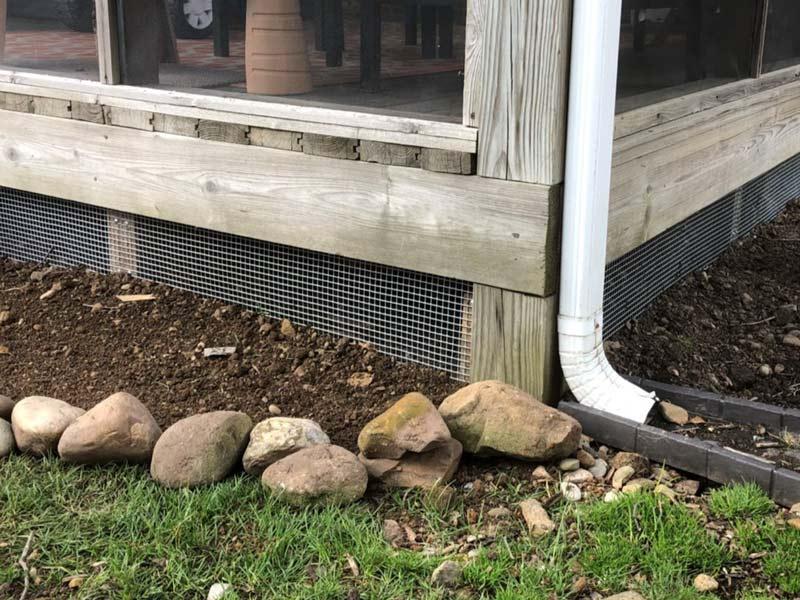
Suitable barriers and repairs can help restrict groundhog access to vulnerable areas and discourage repeated digging near structures.
Removing a groundhog does not necessarily prevent another animal from digging in the same location. If your yard provides easy access, suitable shelter, or a convenient food source, the problem may return.
Groundhog exclusion focuses on making vulnerable areas more difficult to access. Depending on the
property, suitable measures may include:
Underground barriers: Properly installed fencing or heavy-duty mesh can help prevent groundhogs from digging beneath selected structures.
Foundation protection: Addressing vulnerable areas around foundations, sheds, and outdoor buildings can help limit access.
Deck and patio protection: Suitable barriers around the base of decks and patios can discourage groundhogs from establishing burrows underneath.
Burrow management: Existing burrows should be assessed before being closed or filled to avoid trapping animals inside or creating additional hazards.
Garden protection: Fencing and other appropriate protective measures can reduce access to vegetables, flowers, and other attractive plants.
The best exclusion method depends on soil conditions, the structure involved, and the location of existing burrows. Correct installation is important for effective, long-term prevention.
Groundhogs are natural diggers, but their burrowing can become a problem when it occurs close to buildings and frequently used outdoor spaces.
Burrows near foundations can disturb surrounding soil and may contribute to localized settling or erosion. Existing cracks or structural concerns should be assessed by a qualified professional.
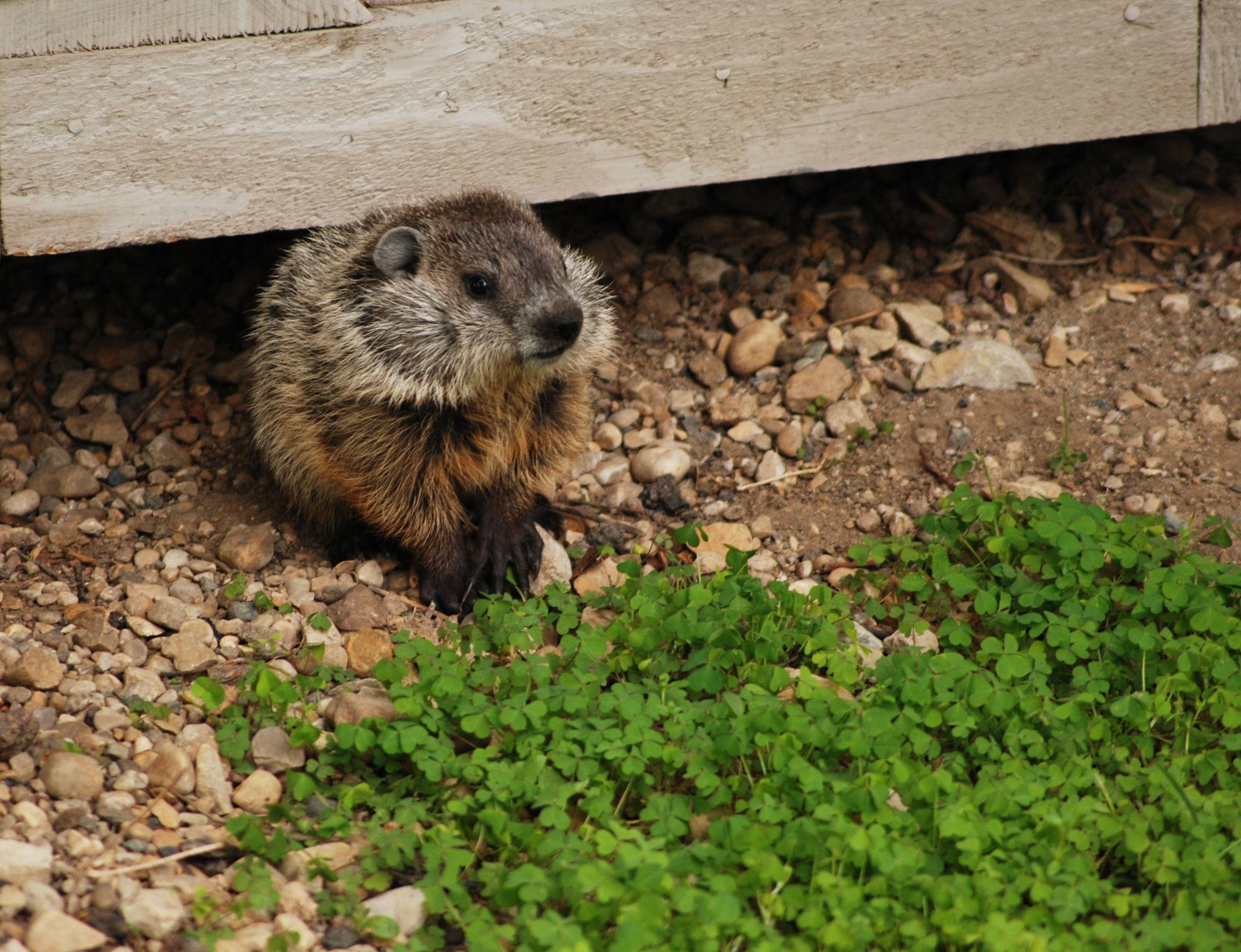
Digging underneath outdoor structures can remove supporting soil and create hidden cavities that may become safety concerns.
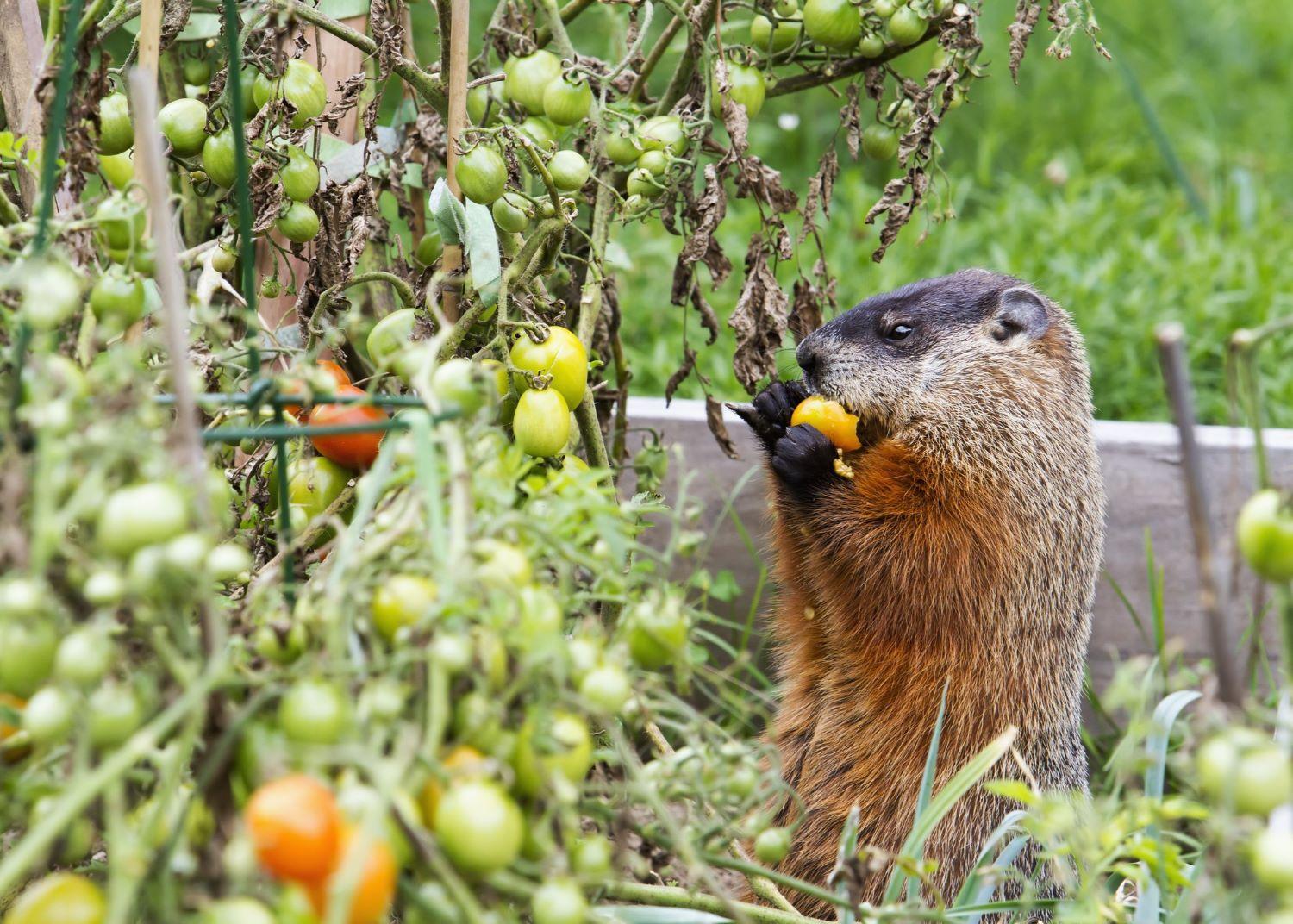
Groundhogs feed on a variety of plants, vegetables, and garden vegetation. Repeated feeding can damage gardens and affect landscaping.

Burrow openings and disturbed soil can create tripping hazards in yards, lawns, and walkways, especially where people regularly pass.


 Trustindex verifies that the original source of the review is Google.
 Trustindex verifies that the original source of the review is Google.
 Trustindex verifies that the original source of the review is Google.

 Trustindex verifies that the original source of the review is Google.
 Trustindex verifies that the original source of the review is Google.
 Trustindex verifies that the original source of the review is Google.
 Trustindex verifies that the original source of the review is Google.
 Trustindex verifies that the original source of the review is Google.
 Trustindex verifies that the original source of the review is Google.
 Trustindex verifies that the original source of the review is Google.